
By: Shahzad Bashir Posted on Tue, 11-08-2026
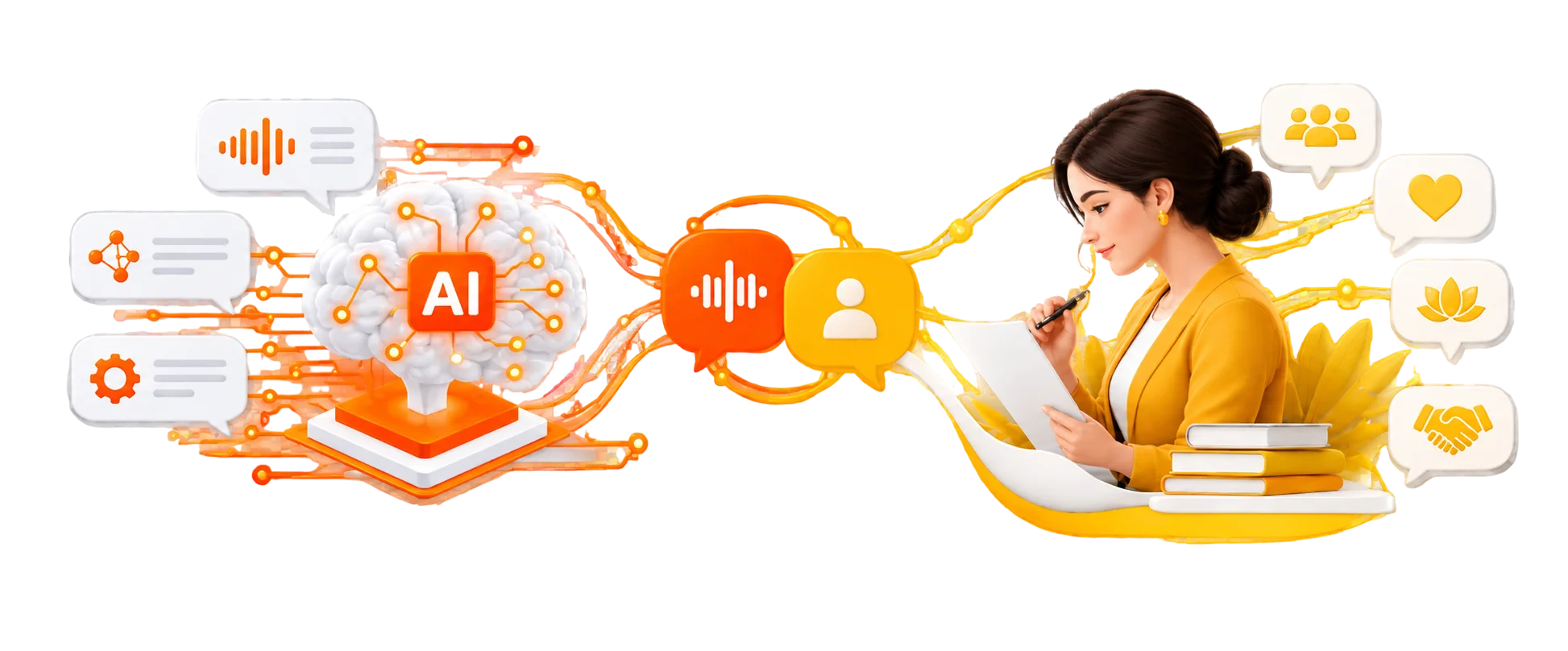
Global businesses translate more content today than ever before, and most of them now face the same decision: should this content go through AI translation, or does it need a human translator? Both methods can turn one language into another, but they arrive at the result in very different ways, and that difference shows up in accuracy, cost, speed, and how natural the final text feels to a native reader.
Understanding where AI translation excels and where human expertise is still essential can save your business time, money, and, in some cases, serious reputational risk. Here's a clear breakdown of the difference between AI translation and human translation, and how to know which one your content actually needs.
AI translation uses machine learning models, often built on neural machine translation (NMT) or large language model (LLM) technology, to convert text from one language to another automatically. These systems are trained on huge volumes of multilingual text, allowing them to recognize patterns, grammar rules, and common phrasing at remarkable speed.
Modern AI translation tools can process thousands of words in seconds and are continuously improving at handling context, not just individual words. However, they still work by predicting the most statistically likely translation, which means they can miss the intent behind a sentence even when the grammar comes out perfect.
Human translation relies on professional linguists who understand both the source and target languages on a cultural, not just grammatical, level. A skilled human translator interprets tone, idioms, humor, and cultural context, then adapts the message so it reads naturally to the target audience rather than sounding like a literal, word-for-word conversion.
This process takes longer and costs more than AI translation, but it consistently delivers higher accuracy, especially for complex, sensitive, or emotionally driven content.
| Factor | AI Translation | Human Translation |
|---|---|---|
| Speed | Thousands of words per minute | Roughly 1,500–2,000 words per day, per translator |
| Accuracy | Generally strong for straightforward content; can drop for complex or nuanced text | Consistently high, particularly for specialized or sensitive material |
| Cultural Nuance | Limited; struggles with idioms, humor, and unstated context | Strong; translators adapt tone and meaning for the target culture |
| Cost | Lower, especially at scale | Higher, reflecting expert time and review |
| Best For | High-volume, low-risk, or time-sensitive content | Legal, medical, marketing, and brand-critical content |
AI translation is a smart choice when speed and scale matter more than perfect polish. It tends to perform well for:
For these use cases, AI translation lets businesses communicate across languages quickly and affordably, without waiting days for a full human translation cycle.
Some content simply carries too much risk to leave entirely to a machine. Human translation, or at minimum a human review layer, becomes essential for:
In these categories, the cost of a translation error, whether legal, medical, or reputational, far outweighs the savings from using AI alone.
Most businesses don't need to choose one method exclusively. A growing number of translation workflows now combine both: AI generates a fast first draft, and a professional linguist then reviews, edits, and refines it for accuracy and tone. This approach, often called machine translation post-editing (MTPE), gives you AI's speed with human-level quality control before the content goes live.
MarsTranslation already applies this hybrid approach across many of our projects, pairing AI-driven efficiency with expert human review so clients get both fast turnaround and dependable accuracy. If you're curious how that process works in practice, our earlier post on AI with Human Quality Control (QC): Impact on Translation breaks it down in more detail.
Ask yourself three questions before choosing a method:
How public and permanent is this content?
Public-facing, long-lived content deserves more scrutiny than temporary internal notes.
What happens if there's an error?
If a mistake could cause legal, medical, or financial harm, use human translation or a hybrid workflow.
How much does cultural tone matter?
Marketing copy, slogans, and brand voice almost always need a human touch.
The difference between AI translation and human translation isn't about which one is "better" in absolute terms; it's about matching the right method to the right content. AI translation offers unmatched speed and cost savings for high-volume, low-stakes material, while human translation remains the safer, more accurate choice for legal, medical, and brand-critical content.
For most growing businesses, a hybrid strategy, AI for speed, human experts for quality control, offers the best balance of both. As an ISO-certified translation provider working across 230+ languages, Mars Translation helps businesses apply exactly this kind of tiered approach, matching AI efficiency and professional human expertise to each project's real-world stakes.
Not sure which approach fits your content? Get a free consultation or request an instant quote from our team.
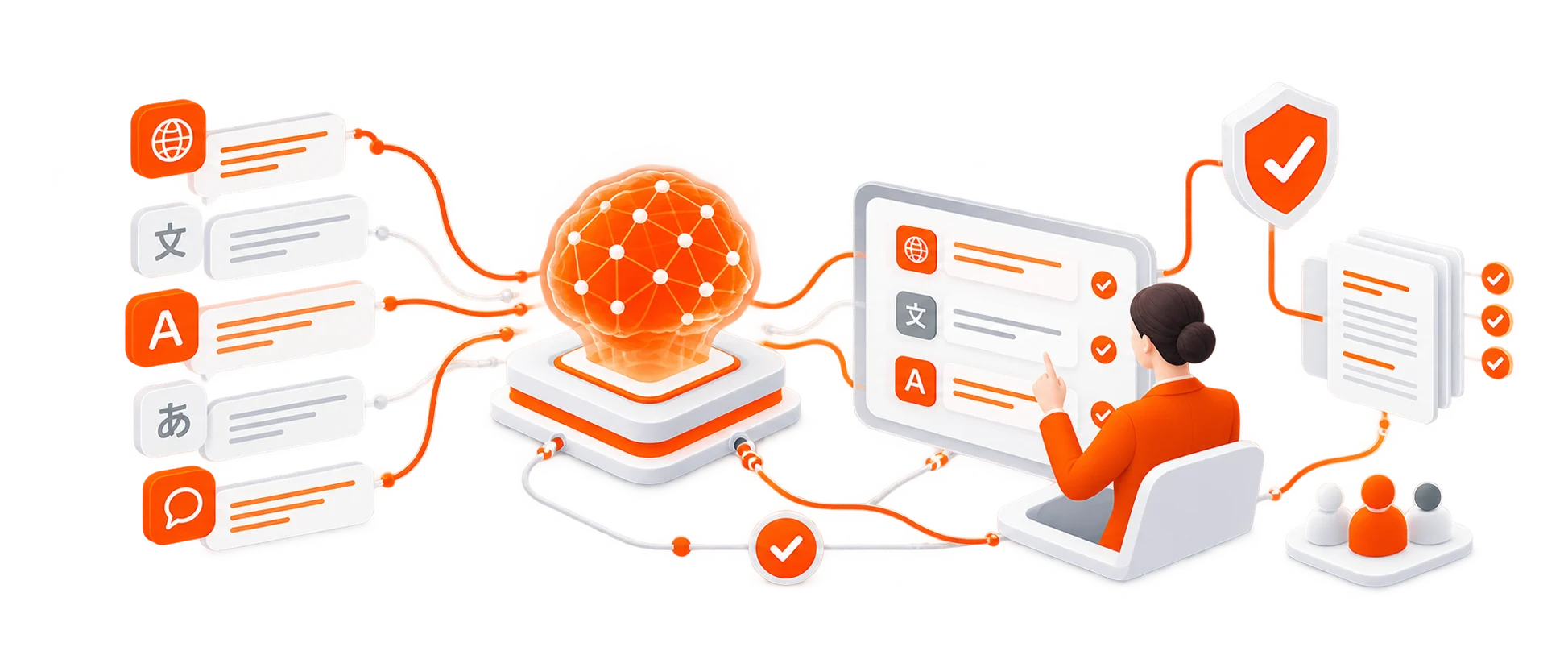
AI translation engines can move through thousands of words in the time it takes to read this sentence. That speed
Read more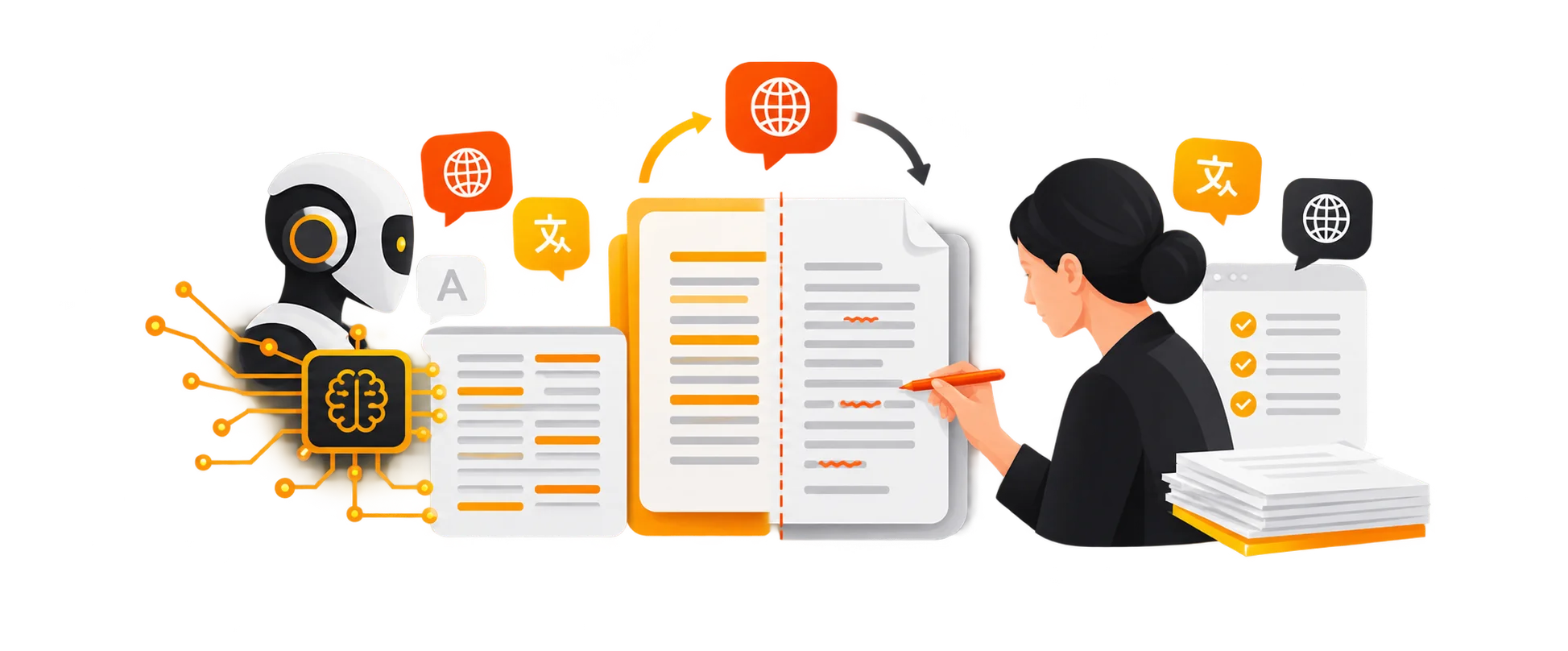
AIPE and MTPE are, in most cases, the same service under two names. Both mean a machine or AI system
Read more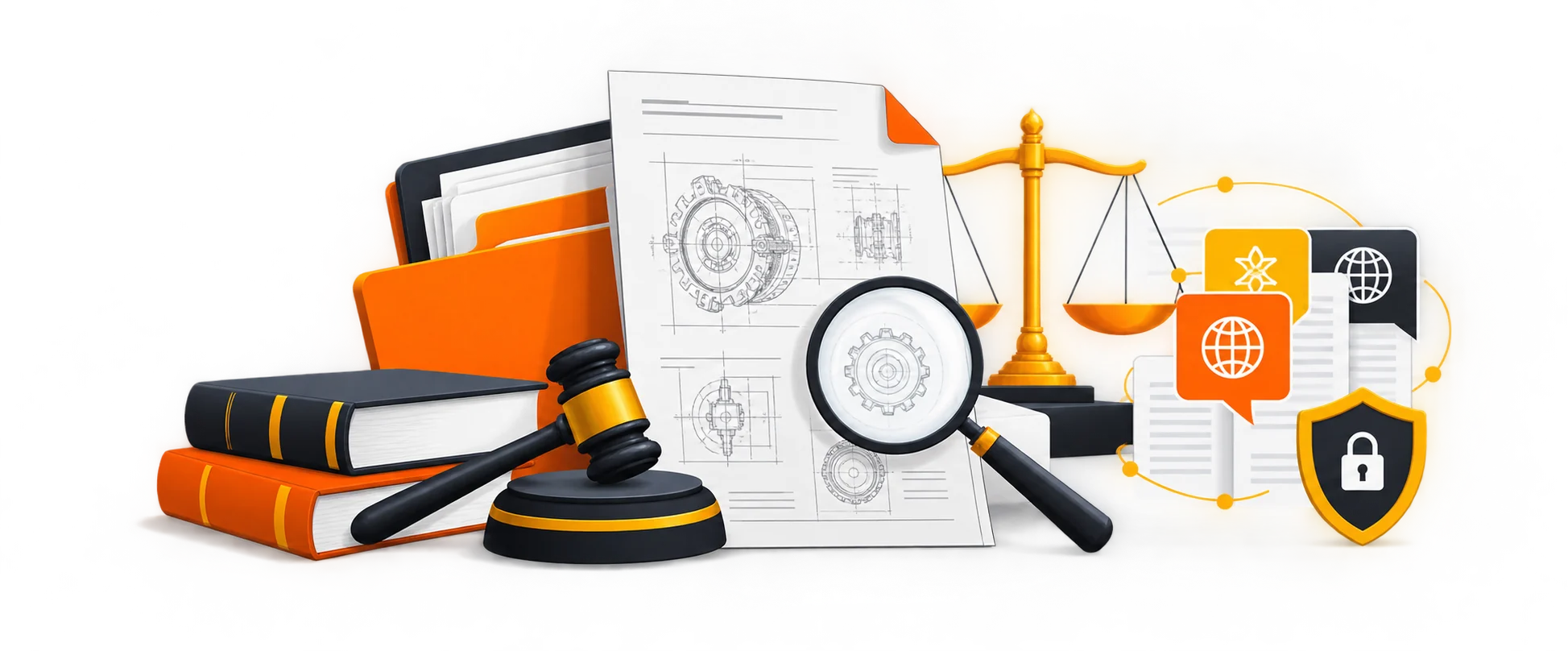
Choosing a legal or patent translation provider is closer to hiring outside counsel than to buying a commodity service. The
Read more
What is Oceania? Oceania is a region that includes Australasia, Melanesia, Micronesia, and Polynesia. Oceania covers a land area of 8,525,989
Read more
Everyone knows that learning a language is not an easy task. It takes time and effort to learn any language
Read more
You are moving at the age of development and progress in the medical field. You need to know how you
Read more
There are many instances when a person is required to translate his birth certificates into other language when he is
Read more
It’s your right to stay happy and live a life with complete health. But for this, you need to take
Read more
China is a popular country for its traditions, customs, and rituals. Being one of the most majestic lands with colorful
Read more




MarsTranslation is an ISO-certified translation services provider that helps the world's leading brands transform their content in 230+ languages. Get Localization, Interpretation, Proofreading and more.
© Copyright 2026 MarsTranslation



 简体中文
简体中文